Loading...
Serving Rohnert Park, CA and surrounding areas. (707) 682-1628
Rohnert Park Concrete is a concrete contractor serving Woodland, CA, providing concrete floor installation, driveway replacement, patio construction, and sidewalk work for Sacramento Valley homeowners. We know how Woodland's clay soils and summer heat affect concrete, and we respond to every new inquiry within one business day.
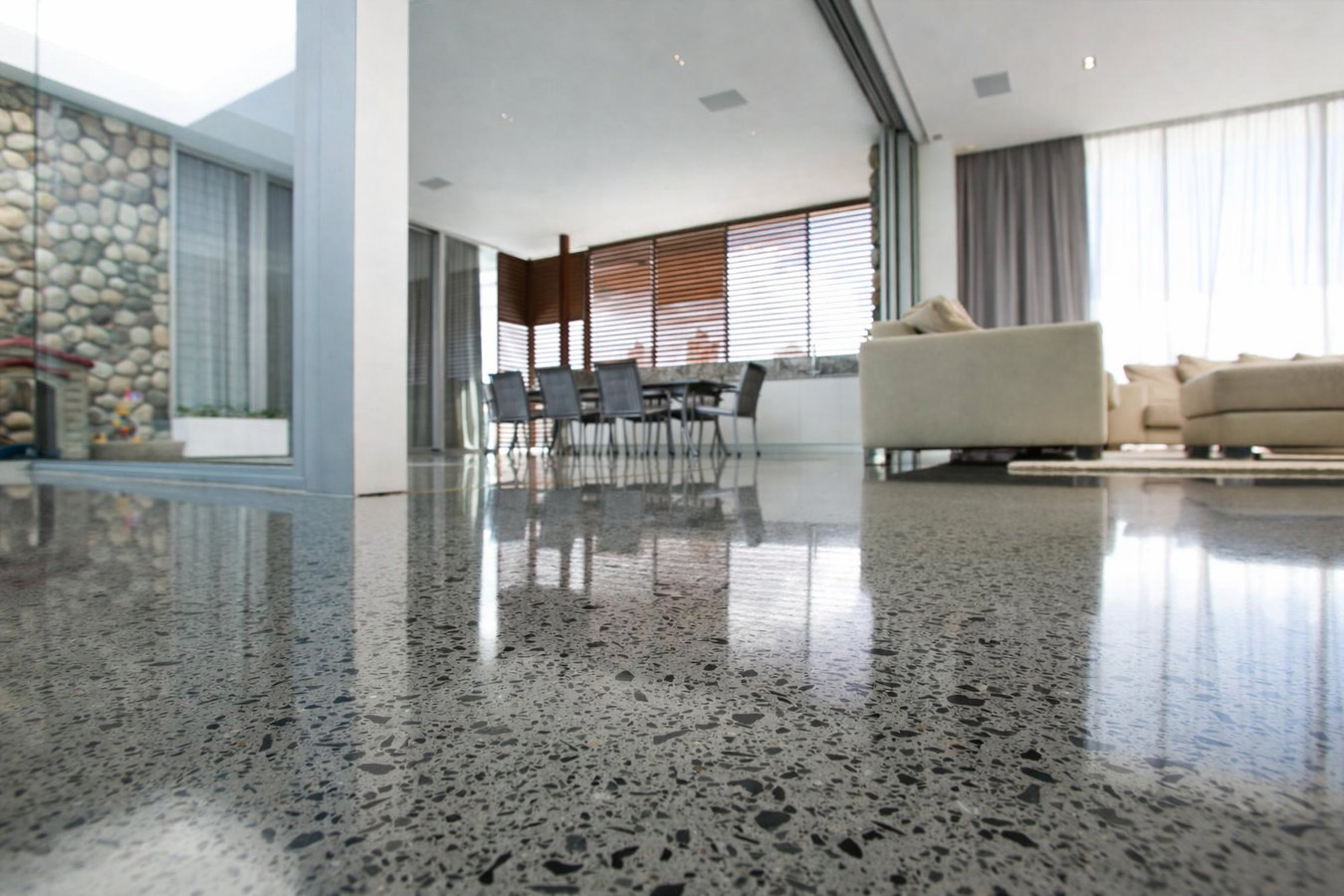
Woodland's housing stock ranges from century-old Victorians near downtown to newer subdivisions off Gibson Road. The concrete needs vary, but the clay soil and Sacramento Valley climate are constants across all of them.
Woodland has seen strong demand for ADU construction and garage conversions in recent years, and most of those projects require a new concrete floor that meets California's current building standards. Older garage floors in the city's pre-1970 homes are often thin, unreinforced slabs that need full replacement before a space can be used as livable area. If you are planning a conversion or new floor, see our full concrete floor installation services.
Driveways in Woodland's older neighborhoods bear the full stress of the local shrink-swell clay cycle. A slab that was poured without adequate compaction or reinforcement in the 1960s or 1970s is almost certainly cracked by now, and patching it just delays the inevitable. A new driveway with a proper compacted gravel base handles the seasonal soil movement far better and holds up through Woodland's 100-degree summer heat without surface degradation.
New construction and ADU projects in Woodland almost always require a concrete slab foundation, and the clay-heavy valley floor soil makes proper subbase preparation the most critical step. Tule fog keeps the ground damp for extended periods in winter, which means a new slab needs a well-drained base layer to prevent moisture from wicking upward. We work with the Woodland Building Division to ensure every foundation pour is permitted and inspected before the slab is covered.
Woodland's long, warm summers make backyard patios a year-round amenity rather than a seasonal one. Concrete is the practical choice here because wood decking dries and splinters faster in the Sacramento Valley heat, and composite materials cost more to install and maintain. A concrete patio with a broom finish or a simple decorative treatment holds up to the extremes of the local climate without the upkeep that other materials require.
The blocks around downtown Woodland, along College Street and Second Street, have mature street trees with root systems that regularly crack and heave older sidewalk panels. When a panel needs replacement, root management has to be part of the plan or the new concrete will fail in the same way. We assess root impact before recommending a repair approach and coordinate with the city on any work in the public right-of-way.
Woodland is largely flat, but the newer subdivisions on the north and west sides of town occasionally have grade changes at property edges where a retaining wall is the right solution. Drainage management is the main concern on flat valley lots, and a concrete retaining wall paired with adequate drainage behind it keeps water moving away from the structure rather than pooling against it through Woodland's wet winter months.
Woodland sits on the Sacramento Valley floor, and the soil throughout most of the city is a heavy clay mix that runs consistently across both the older downtown neighborhoods and the newer subdivisions on the edges of town. That clay expands when the winter rains arrive - usually November through March - and then contracts sharply as the summer heat builds past 90 and 100 degrees. The result is a continuous stress cycle on anything sitting on or anchored into the ground. Concrete that was not installed over a properly compacted gravel base, or that was not reinforced to handle this movement, will crack and shift. This is not a matter of whether it happens; it is a matter of when.
The Sacramento Valley is also known for tule fog, the dense ground-level fog that settles across the valley floor for days at a time between November and February. Tule fog keeps surfaces persistently damp, which accelerates mold growth on concrete that is not sealed and creates freeze-thaw stress on older, porous slabs during the brief cold snaps Woodland does see. A concrete contractor working in this area needs to account for pour timing and curing conditions that are very different from those in the Bay Area or coastal markets.
Woodland also has a substantial stock of homes built before 1970, including the Victorian and Craftsman neighborhoods near downtown that are well over 100 years old. Concrete work on these older properties often involves removing original slabs poured without modern reinforcement, managing tree roots that have grown beneath them over decades, and matching the visual character of the surrounding property. The City of Woodland historic preservation program may also have review requirements for work on designated historic properties, which adds a step to the permit process.
Our crew pulls permits through the City of Woodland Building Division regularly, and we are familiar with the permit requirements for the types of projects most common in this city: driveway replacements, garage floor upgrades, ADU slab foundations, and sidewalk repairs in the right-of-way. The Building Division review timeline for straightforward residential permits in Woodland typically runs one to two weeks, which we factor into the project schedule from the start.
Woodland is easy to navigate for a crew coming from the North Bay. Interstate 5 runs directly through the city and connects it to the broader Sacramento Valley market. Main Street and Gibson Road are the key east-west corridors we use to reach the older downtown neighborhoods and the newer subdivisions on the north and west sides of town. The flat terrain makes ready-mix truck access straightforward on most lots, which keeps scheduling predictable.
We also serve the nearby areas of Davis, CA and Vacaville, CA, both of which share the Sacramento Valley clay soil conditions that define concrete work in this region. That consistent experience across the valley means we are not learning your soil conditions on your job.
Four steps from first contact to finished surface.
Step 1
Call us or fill out the online form with a description of your project. We respond within one business day and will ask a few questions about the space and your goals before scheduling a site visit.
Step 2
We visit the property, check the subbase conditions and drainage, and measure the work area. You receive a written, itemized estimate that covers labor, materials, demolition if needed, and permit costs - no number that changes after you agree to it.
Step 3
We pull the permit, compact and grade the subbase, place reinforcement, and set the forms. Pour day is typically one full session for most residential projects. Summer pours are scheduled for early morning to avoid peak heat and manage the cure properly.
Step 4
The surface needs 24 to 48 hours before foot traffic and about a week before vehicles. We schedule the city inspection, clean up the site, and review any care or sealing instructions with you before the project is considered complete.
We serve all of Woodland - from the Victorian neighborhoods near downtown to the newer homes off Gibson Road. Written estimates, no obligation.
(707) 682-1628Common questions from Woodland homeowners about concrete work in the Sacramento Valley.
Woodland is the county seat of Yolo County and home to roughly 60,000 residents. It sits about 15 miles northwest of Sacramento on Interstate 5, making it a common home base for people who work in the state capital or at nearby UC Davis. The city was founded as a farming supply hub in the 1860s, and that agricultural identity is still visible in the flat, open landscape surrounding the city limits and in the seasonal rhythms of the local economy.
The neighborhoods closest to downtown are Woodland's oldest and most architecturally distinct. College Street, Second Street, and Cross Street contain Victorian and Craftsman homes built between roughly 1880 and 1930. The restored Woodland Opera House anchors the downtown district and is one of the city's most recognized landmarks. These older homes have wood siding, covered front porches, and concrete that in many cases has not been replaced since it was originally poured. The newer subdivisions on the north and west sides of town - many developed between the 1990s and 2010s - have stucco exteriors, standard suburban lot sizes, and concrete that is not as old but faces the same shrink-swell soil pressures.
Woodland is well-positioned relative to the broader Sacramento Valley market and close to neighboring Davis, CA, which shares the same flat valley terrain, clay soils, and demand for concrete maintenance from a housing stock that skews toward the 1960s and 1970s in its older neighborhoods.
Durable concrete driveways built to last, improving curb appeal and property value.
Learn moreCustom concrete patios designed for outdoor living, entertaining, and everyday enjoyment.
Learn moreDecorative stamped concrete that replicates stone, brick, or tile at a fraction of the cost.
Learn moreSafe, level concrete sidewalks installed to code for homes and commercial properties.
Learn moreSmooth, reinforced garage floors built to handle heavy loads and daily vehicle traffic.
Learn moreCustom decorative concrete finishes that add texture, color, and character to any surface.
Learn moreStructural concrete retaining walls that control erosion and define outdoor spaces.
Learn moreProfessional concrete floor installation for residential and commercial interiors.
Learn moreSlip-resistant, weather-ready concrete pool decks built for safety and style.
Learn moreSolid concrete steps and stoops crafted for safe, long-lasting entry and exit points.
Learn moreProperly graded and reinforced concrete slab foundations for new construction.
Learn morePrecise foundation installation supporting structural integrity for years to come.
Learn moreCommercial-grade concrete parking lots built for high traffic and durability.
Learn moreAccurate concrete footings that provide a stable base for fences, posts, and structures.
Learn moreFoundation raising and leveling to correct settlement and protect your structure.
Learn morePrecise concrete cutting for repairs, expansion joints, and utility access.
Learn moreServing these cities and communities.
Call us or submit a request online. We serve all of Woodland and respond within one business day.