Loading...
Serving Rohnert Park, CA and surrounding areas. (707) 682-1628
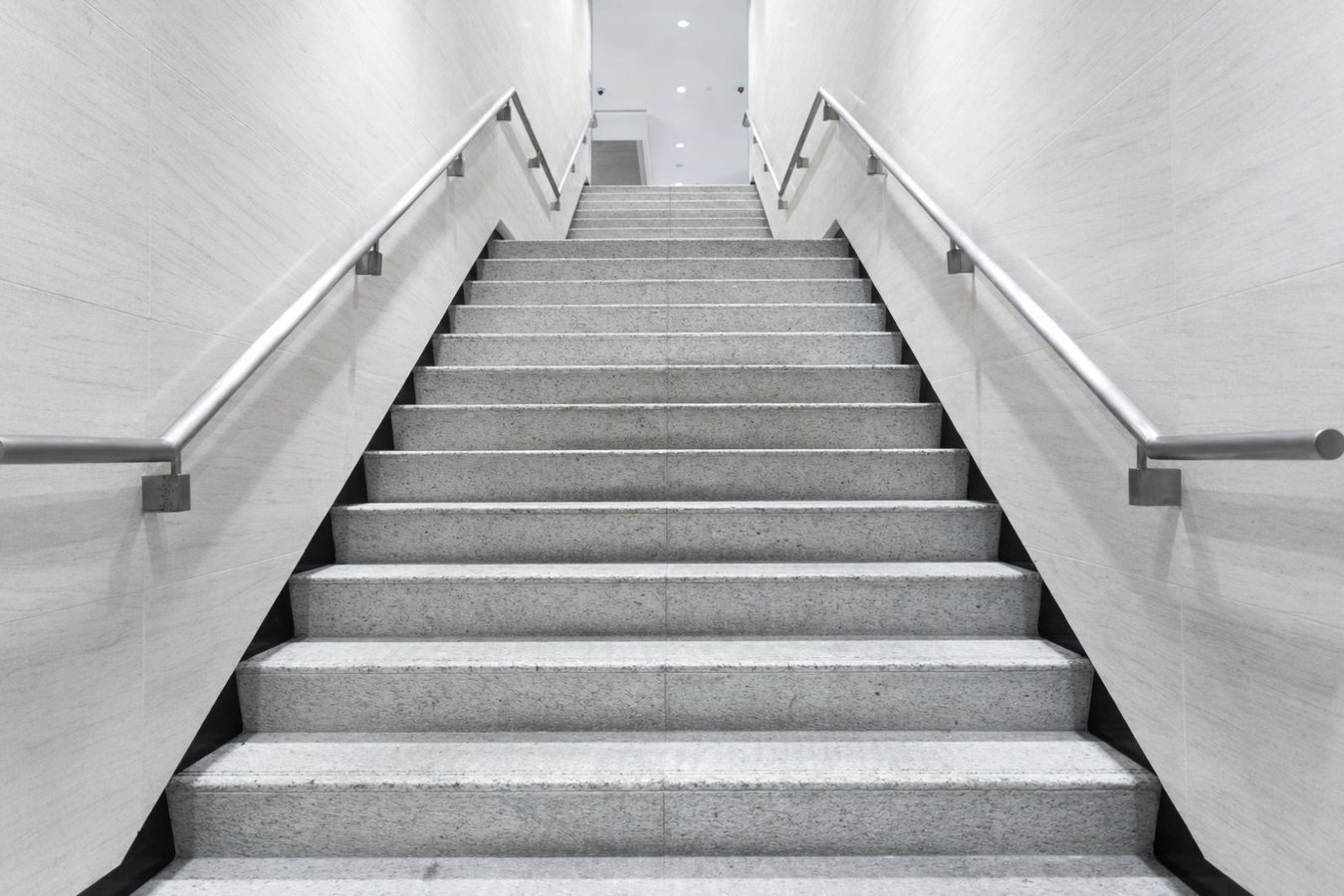
Cracked, tilted, or crumbling entry steps are a safety problem. We build and replace concrete steps throughout Rohnert Park with proper base prep for clay soil, city permits handled, and finishes that hold their grip in wet weather.
Concrete steps construction in Rohnert Park means poured-in-place steps built to handle the area's clay soils, seasonal rain, and permit requirements - most residential projects take one to two days of active work, with about a week of curing before normal use.
A large share of Rohnert Park's homes were built between the 1960s and 1980s, and many of those original entry steps have never been replaced. When concrete steps crack, tilt, or lose their surface texture, they become a genuine hazard - especially during the rainy season, when slippery steps cause falls. Concrete steps construction is one of those projects that is easy to put off until someone gets hurt; the better move is to address it when you first notice the warning signs.
If the project involves more than just the steps - for example, if you are also planning work on a nearby retaining wall - our concrete retaining walls service can be scheduled at the same time to reduce the number of separate mobilizations you pay for.
If you can see cracks wider than a hairline - especially ones that go all the way through an edge - the structural integrity of the steps is compromised. In Rohnert Park, clay-heavy soil shifts seasonally as it absorbs winter rain and dries out in summer, and that movement is a common cause of cracking in older concrete. Cracks that are widening over time signal an active problem, not just a cosmetic one.
When the top layer of concrete breaks away in chips or flakes - a process called spalling - the surface becomes uneven and easy to trip on. This is especially common on steps that are 30 or more years old, which describes a large share of Rohnert Park's housing stock. Spalling tends to accelerate once it starts, so addressing it early saves money compared to waiting.
If your steps look like they have sunk on one side or tilted away from the house, the soil underneath has moved. This is a safety hazard - an uneven step is much easier to miss, especially in low light. In Rohnert Park's clay soils, this kind of settling is not unusual in steps that were installed without a proper gravel base.
Each step should slope slightly forward so water runs off. If you notice puddles sitting on your steps after Rohnert Park's winter rains, the pitch is wrong - either from the original installation or from settling over time. Standing water makes steps slippery and speeds up surface deterioration with every wet season.
We handle new concrete step builds, full replacements of existing steps, and assessments to determine which option makes sense for your situation. The work covers everything from demolition of the old steps (if needed) and disposal, through excavation, base preparation, form building, rebar placement, pouring, and finishing. We do not hand off any part of the job.
Finish options include a standard broom texture - the most practical choice for grip in wet weather - as well as stamped patterns that mimic stone or brick, and exposed aggregate for a textured, natural-looking surface. We walk you through the options before work begins so there are no surprises on the day of the pour. If you are also considering a slab foundation building project at the same property, we can often coordinate the scheduling to share mobilization costs.
Most step projects in Rohnert Park require a building permit, and we manage that process with the City's Building Division on your behalf. We include the permit fee in our written estimate and factor the approval timeline into the project schedule so your start date does not get pushed without warning. The permit process includes a final inspection that confirms the steps are safe and built to code - which protects you if you ever sell the home.
Suited for properties adding an entry staircase for the first time or connecting a new addition, patio, or garage to grade level.
The right choice when existing steps have shifted, cracked through, or are too deteriorated to repair - common in Rohnert Park homes from the 1960s through 1980s.
The standard choice for residential entries - a lightly textured surface that stays grippy when wet and holds up with minimal maintenance over the long term.
For homeowners who want their front entry to reflect the style of the home - stamped patterns, exposed aggregate, or colored concrete that makes a better first impression.
Rohnert Park was built out largely between the 1960s and 1980s as a planned residential community. A significant portion of the city's homes still have their original concrete entry steps - and steps that are 40 to 50 years old are often showing it. Cracking, spalling, and settling are common across the older neighborhoods, especially on the west side of town and the established tracts near Sonoma State. If your home was built during that era and the steps have never been replaced, a professional assessment is worth scheduling before a small safety issue becomes a larger one.
The soil is the other major factor. Much of Sonoma County, including Rohnert Park, sits on expansive clay that swells in the wet season and shrinks in summer. Without a proper compacted gravel base under the steps, that seasonal movement works its way into the concrete over time. We have seen steps installed just ten or fifteen years ago fail early because the base prep was skipped - and we have seen 1970s steps that still hold level because they were built right. The difference is almost always what happens underground before the pour.
We serve homeowners throughout the Rohnert Park area and across Sonoma County, including in Santa Rosa, Petaluma, and Novato. If your neighborhood has an HOA with exterior change requirements - common in newer Rohnert Park developments - we are familiar with that review process and can help you get through it without delays.
We reply within one business day of your call and schedule a free on-site visit to measure the space, assess the ground conditions, and look at any existing steps. The written estimate covers demolition, materials, labor, permit fees, and finishing - all as separate line items so you can see exactly what you are paying for.
We submit the permit application to the City of Rohnert Park's Building Division on your behalf. Approval typically takes a few business days to a couple of weeks. We factor this into the project timeline upfront so your start date is realistic and does not shift unexpectedly.
The crew removes any existing steps and hauls away the debris. We excavate the area, compact the soil, and add a gravel base layer where the ground conditions require it. The wooden forms are then built to the exact dimensions of your new steps before any concrete is poured.
The pour typically takes one day. After applying the chosen surface finish, the concrete needs 24 to 48 hours before light use and about a week for full strength. A city inspector will review the finished work as part of the permit process, then we do a final walkthrough with you before closing out the job.
Free estimate. No obligation. We respond within one business day.
(707) 682-1628We have worked on homes throughout Rohnert Park's original tract neighborhoods - built-outs from the 1960s through 1980s where aging concrete and clay-soil movement are routine. That history means we know what to look for before we pour and how to build steps that stay level through many seasons of wet winters and dry summers.
We manage the full permit process with the City of Rohnert Park's Building Division - from application through the final inspection. The inspection confirms your steps meet safety standards and creates a record that protects you if you ever sell your home or file an insurance claim. You do not need to deal with the paperwork; that is our responsibility.
Rohnert Park gets real rain from November through March, and slippery entry steps are a genuine hazard in those months. We apply a textured finish that provides grip on wet surfaces as a standard part of every steps project. The American Concrete Institute guidance on surface finishing informs how we approach tread texture on every job.
We hold an active license with the California Contractors State License Board and carry full liability and workers' compensation coverage. Every step of your project is handled by our own crew - we do not hand your job to a subcontractor after you sign.
Entry steps are the first and last thing anyone touches when they visit your home. The work should be done correctly, with the right base prep, the right finish, and the right paperwork - and it should hold up for decades, not just a few seasons. That is the standard we hold ourselves to on every Rohnert Park project.
If your project involves more than just steps - including a new concrete slab for an addition or outbuilding - we can coordinate both scopes in one engagement.
Learn morePair new entry steps with a retaining wall to manage grade changes and protect against soil movement at the same time.
Learn moreSchedule your free estimate now - our spring calendar fills up fast and cracked steps only get more dangerous when the weather turns.