Loading...
Serving Rohnert Park, CA and surrounding areas. (707) 682-1628
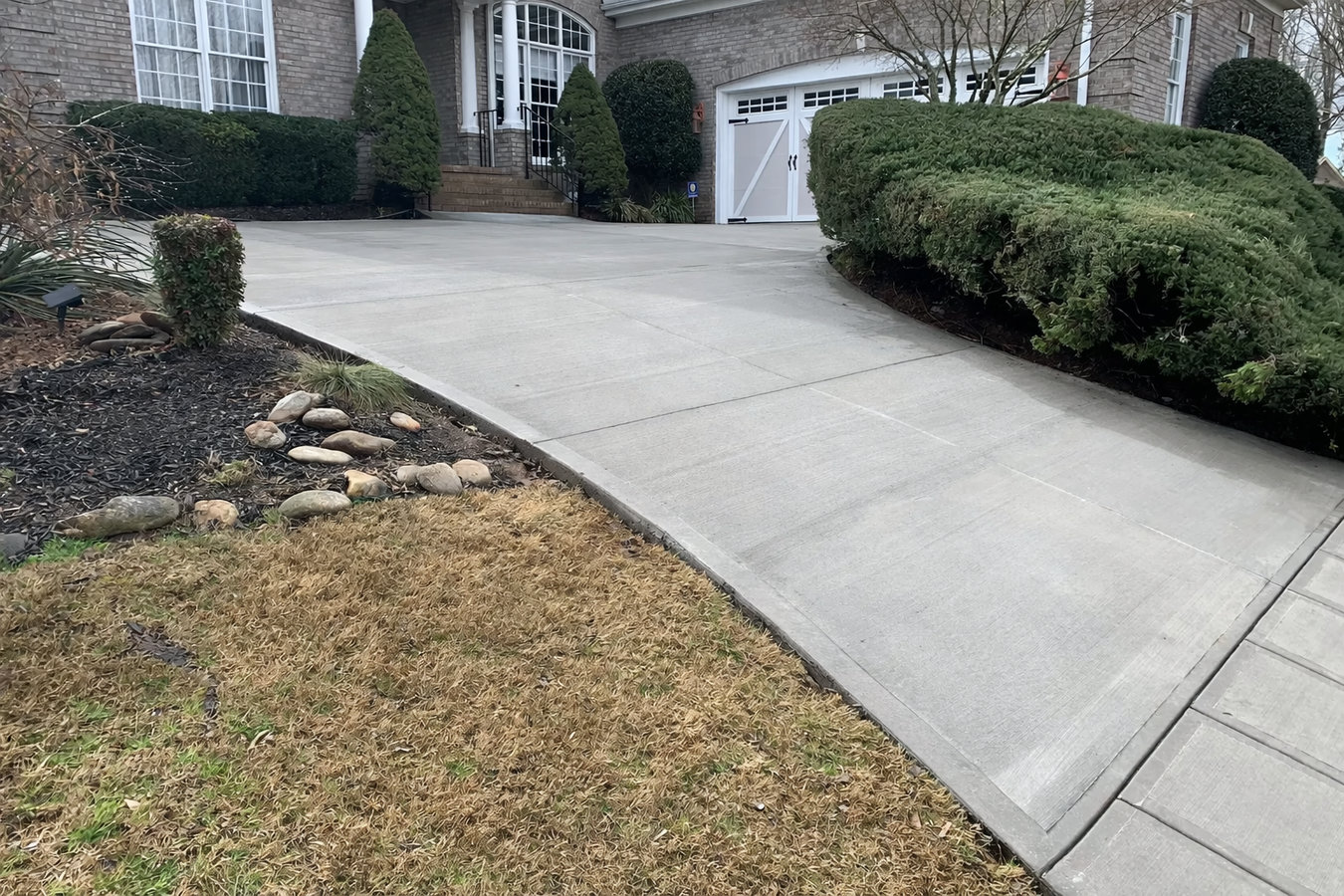
Rohnert Park's clay soils and wet winters destroy driveways that are not built right. We prepare the base for local conditions, pull every required permit, and deliver a finished slab you can count on.
Concrete driveway building in Rohnert Park means removing the old surface, preparing the ground underneath for local soil conditions, and pouring a reinforced slab - most jobs take two to four days of active work, with a seven-day curing window before you can drive on it.
Many homeowners in Rohnert Park are dealing with driveways that were poured when their homes were built - in the 1960s, 1970s, or 1980s. Those slabs are now past their expected lifespan, and the clay-heavy soils common in this part of Sonoma County have been working on them ever since. Once cracks widen or sections start to sink, patching stops working and a full replacement is the right move.
A new concrete driveway is one of the most visible improvements you can make to your home. While you are thinking about the front of your property, you may also want to consider concrete patio construction for the backyard, since many homeowners take on both projects at the same time.
Small hairline cracks are cosmetic, but cracks wide enough to fit a pencil - or cracks that have been patched and keep reopening - mean the slab itself is failing. In Rohnert Park, this pattern is often driven by the clay soils underneath shifting with the seasons, and patching alone will not solve it.
If part of your driveway is noticeably lower than the rest, or slabs have tilted so water pools in the middle, the base underneath has shifted or eroded. This is both a tripping hazard and a drainage problem. It typically means the slab needs to come out, not just be patched.
Rohnert Park's housing stock includes a large number of homes built in the 1960s through 1980s, meaning many original driveways are past their expected lifespan. If you have never replaced yours and your home is from that era, a visible inspection is worth scheduling - even if it looks okay on the surface, the base may be compromised.
If rainwater sits near your garage or runs toward your house instead of away from it, your driveway's slope has changed because the slab has settled unevenly. Water sitting against a foundation can cause serious damage over time, especially during Rohnert Park's wet winters.
We build standard plain-finish driveways as well as decorative options, depending on what fits your home and your budget. A plain broom-finished slab is the most durable, most affordable option and suits most homes in Rohnert Park's established neighborhoods. For homeowners who want more visual impact, we offer colored concrete and stamped patterns that can mimic brick or stone at a fraction of the cost of the real materials.
Every driveway we build includes steel reinforcement inside the slab and properly spaced control joints - the shallow lines you see cut across the surface that give the concrete a place to crack in a controlled way rather than randomly. These are not optional extras; they are what separates a driveway that lasts from one that starts failing in five years.
If your project includes work along the property line or out to the street, we can also handle concrete sidewalk building as part of the same job, which saves time and avoids the hassle of coordinating two separate contractors.
Best for homeowners who want maximum durability and a clean look that fits any neighborhood.
Best for homeowners who want to add curb appeal with a finish that coordinates with their home's exterior.
Best for homeowners who want the look of pavers or stone without the higher material and maintenance costs.
Rohnert Park sits on the Santa Rosa Plain, and much of the soil here contains clay - a material that expands when wet and contracts when dry. That seasonal movement puts constant stress on any slab that was not built to handle it. A contractor who skips proper base compaction or does not account for local soil type is setting your driveway up to fail within a few years. We know Sonoma County soil, and we build accordingly. Homeowners in Petaluma and Santa Rosa face the same conditions, and we serve both communities.
Rohnert Park was largely built out between the 1960s and 1990s as a planned community, which means a significant share of its residential driveways are now 30 to 60 years old. Many of those original slabs were poured to standards that have since been updated. When you see your neighbors replacing their driveways, yours is likely at a similar stage. Local contractors who have worked in Rohnert Park's tract-home neighborhoods understand the specific configurations and drainage challenges common here.
Rohnert Park's Mediterranean climate also means a defined wet season from roughly November through March. Rain hitting fresh concrete can weaken the surface permanently, so we schedule pours during the dry season and will not rush a job just to hit a calendar date. Homeowners in Vacaville and other inland communities we serve face similar seasonal scheduling considerations.
Call or submit the form and we will schedule a time to visit your property. We measure the area, check existing drainage, and give you a written quote within one business day that spells out exactly what is included.
We apply for the required City of Rohnert Park permit and wait for approval before scheduling your start date. If your neighborhood has an HOA, we can help you prepare that submission at the same time.
On day one, the crew breaks up and hauls away your old driveway. The loudest, most disruptive part of the job is over in a day. We then compact the soil, add gravel where needed, and set forms with steel reinforcement inside.
The concrete truck arrives and the crew works quickly to pour, level, and finish the surface. You can walk on it after 24 hours and drive on it after seven days. We walk you through the timeline before we start so you know exactly when your driveway is yours again.
We respond to all requests within one business day. No sales pitch, no obligation - just a written quote for your project.
(707) 682-1628Every driveway project we complete in Rohnert Park goes through the city permit and inspection process. An independent city inspector signs off on the base and reinforcement before the concrete is poured - giving you documentation that the work was done correctly, which matters when you sell.
We specifically prepare the subbase for the expansive clay soils common in Rohnert Park and the Santa Rosa Plain. Proper compaction and a gravel buffer between the soil and the slab are what keep concrete from cracking as the ground shifts through wet and dry seasons.
Our California contractor's license is active and verifiable through the Contractors State License Board in about two minutes. We carry liability insurance and workers' compensation, so you are protected if anything goes wrong on your property. You can verify our license at cslb.ca.gov.
We have completed driveway projects across Rohnert Park's established neighborhoods and in surrounding Sonoma County communities. Ask for references from local jobs, and we will connect you with homeowners who can speak to what the experience was actually like.
Building a concrete driveway the right way in Rohnert Park means knowing the local soil, following the permit process, and not cutting corners on base preparation. Those three things are what separate a driveway that lasts 40 years from one that needs repairs in five. The American Concrete Institute sets the national standards we follow for mix design, thickness, and reinforcement on every project. And the City of Rohnert Park Building Division provides the independent inspection that confirms the work was done to code.
Turn your backyard into usable outdoor space with a poured concrete patio built to handle Rohnert Park's clay soils and wet winters.
Learn moreReplace cracked or uneven sidewalks along your property with a permitted, reinforced concrete walk that meets city standards.
Learn moreSpring is the best time to pour in Sonoma County - contractor schedules fill quickly once the rains stop. Call now or submit the form to lock in your start date.