Loading...
Serving Rohnert Park, CA and surrounding areas. (707) 682-1628
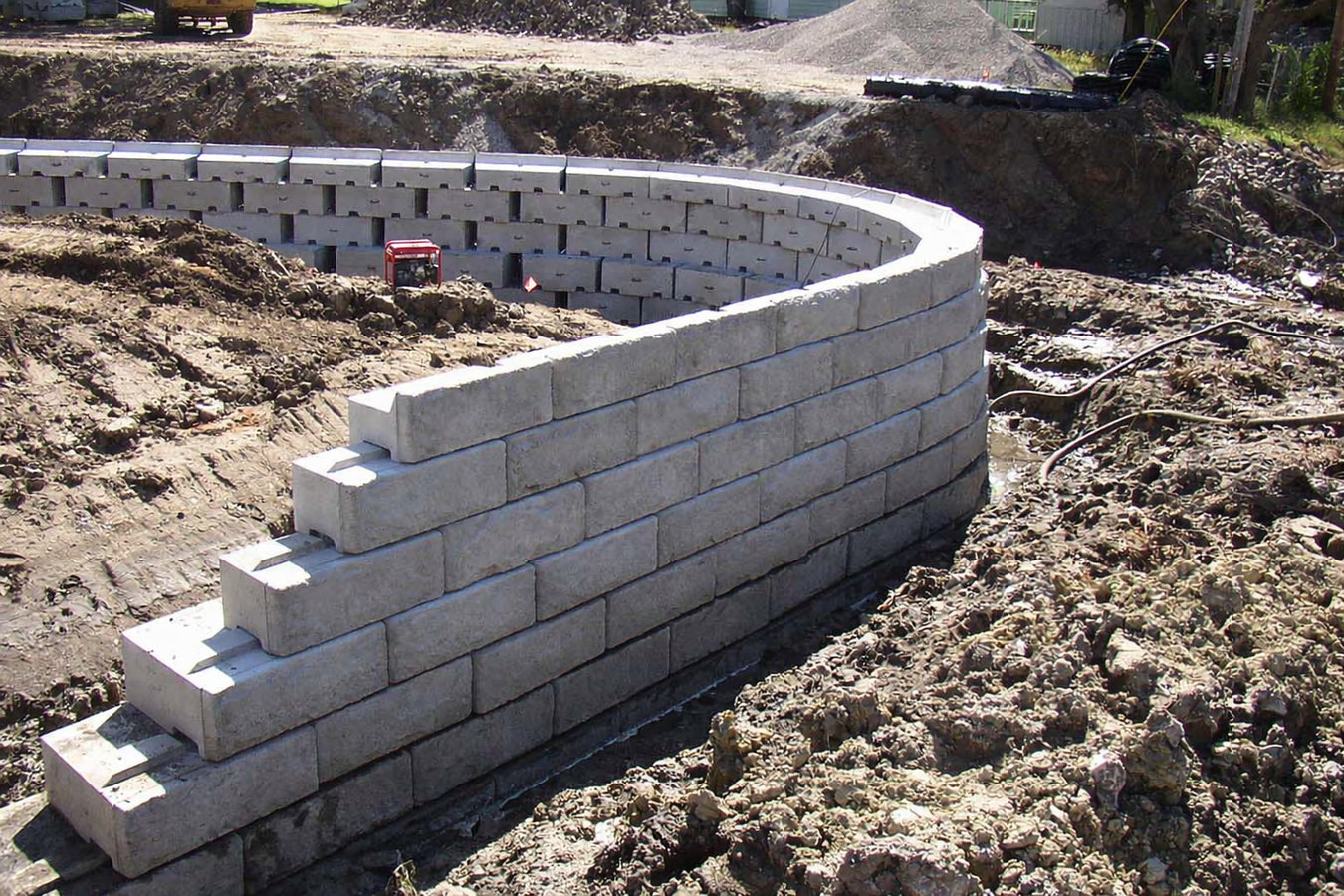
Sloping yards and failing walls cause real damage. We build poured concrete and block retaining walls that hold back Sonoma County clay soils, season after season.
Sloping yards and failing walls cause real damage. We build poured concrete and block retaining walls that hold back Sonoma County clay soils, season after season.
Concrete retaining walls in Rohnert Park hold back soil on slopes and cut areas so it cannot slide, erode, or push against your foundation - most jobs run two to five days from excavation to cleanup, depending on wall height and site access.
If part of your property has a slope that washes out each winter or an existing wall that is starting to lean, this is the right service to look at. Rohnert Park sits on clay-heavy soils that swell and contract with every rainy season, and those forces are hard on anything holding back a hillside. If you are also thinking about what to do with the flat space a wall would create, concrete floor installation pairs naturally with a new wall for patios, utility pads, or level yard areas.
We build both poured concrete walls and concrete block walls, and we handle permits, drainage, and seismic reinforcement on every project. The goal is a wall that still looks right and holds true after the next ten rainy seasons.
If you see soil building up at the base of a slope or bare patches where topsoil has washed away after Rohnert Park's winter rains, the hillside is not stable. Small amounts of soil movement add up quickly over multiple seasons, and once the slope begins to erode, the rate usually accelerates. A retaining wall stops that cycle before the problem reaches your driveway, patio, or foundation.
A wall that is tilting forward, even slightly, is under more load than it was built for. Horizontal cracks across the face of a wall or gaps opening between the wall and the soil behind it mean the structure is starting to fail. In Rohnert Park's clay soils, this kind of movement tends to accelerate after a wet winter, so it is worth getting an assessment before the next rainy season begins.
When a slope channels rainwater toward your house instead of away from it, puddles form near the foundation and water staining appears on exterior walls. Over time, that moisture can work its way into a crawl space or weaken the soil beneath a slab. A retaining wall combined with proper grading redirects that water before it becomes a much more expensive problem to fix.
If part of your yard is too steep to mow, plant, or let children play on safely, you are leaving usable square footage on the table. Many Rohnert Park homeowners build retaining walls specifically to create level garden beds, patios, or lawn areas on lots that would otherwise sit unused. This is one of the most common reasons people call us - not because something is broken, but because they want more from their property.
We offer two primary wall types: poured concrete walls and concrete block walls. Poured walls are formed and cast in place - they are the strongest option for taller walls or sites with heavy soil pressure, and they can be finished smooth or given a textured face. Concrete block walls use interlocking masonry units that are faster to build at modest heights and offer more flexibility in irregular terrain. For many Rohnert Park yards, either option works well, and the choice often comes down to height, aesthetics, and budget. If your slope is steep enough to need multiple tiers, we plan and build tiered systems that distribute soil pressure more evenly than a single tall wall.
Drainage is built into every wall we construct. We install gravel backfill and perforated drain pipe behind the wall so water has a clear path out instead of building up pressure against the concrete. On walls four feet and taller, we include steel reinforcement throughout the pour - especially important near the Rodgers Creek Fault, where ground movement is a real consideration for anything structural. We also handle concrete steps construction when a wall creates a grade change that needs safe access, so the whole project gets finished in one coordinated scope.
Permit coordination is part of our process, not an add-on. If your wall requires city approval - which is common for walls over four feet in Rohnert Park - we file the application, respond to any questions from the building division, and schedule the required inspections. You do not have to make a single call to the city.
Best for taller walls, heavy soil loads, or anywhere maximum strength and a clean finish are the priority.
A practical choice for walls under four feet or on uneven terrain where block offers more layout flexibility.
Ideal for steep slopes where a single tall wall would be overkill - two or three shorter walls stepped up the hillside.
Suits homeowners who need both a level change and safe, permanent access between yard elevations.
Most of Rohnert Park was developed between the 1960s and 1980s, and many of those original homes sit on lots with original concrete flatwork and retaining features that have never been replaced. The clay-heavy soils throughout the Sonoma Valley floor expand when wet and shrink when dry, and after 40 to 60 years of that cycle, a lot of old walls are past their useful life. This is the most common reason we get calls in Rohnert Park: a wall that looked fine a few winters ago is now clearly leaning, and the homeowner wants to address it before it becomes a drainage or foundation problem.
The Rodgers Creek Fault runs through the North Bay, and seismic activity here is a real design consideration. Walls built in Rohnert Park need steel reinforcing bars running through the concrete pour so they can handle ground movement, not just the weight of the soil behind them. That is standard practice on every wall we build, and it is worth asking any contractor you interview whether their design accounts for lateral forces, not just static soil pressure. Homeowners in Santa Rosa and Petaluma face similar soil and seismic conditions, and we work across all three cities on a regular basis.
If your property is in one of Rohnert Park's newer planned communities - Vast Oak or the Willowglen area, for example - check whether you have an HOA before starting any wall project. Many of those neighborhoods have rules about wall height, materials, and finish appearance that require HOA approval separate from a city permit. We are familiar with that process and can help you navigate both approvals before work starts. Homeowners in Novato often face similar HOA requirements in newer subdivisions, and we handle those projects as well.
We reply within one business day - often the same day. We will ask a few basic questions about the slope, approximate wall height, and what you want the space to do once the wall is in place.
We visit your property to measure the slope, assess soil conditions, and confirm access for equipment. You receive a written estimate that includes labor, materials, drainage, and any permit fees - no line items missing.
The crew digs the footing trench, pours the base, and builds the wall with drainage installed at the same time. For a typical 20-to-40-foot wall, the construction phase runs two to four days.
Once the wall is up, we backfill the soil and clean the site. If a city inspection is required, we schedule it and walk the inspector through the work. The concrete continues to gain strength for 28 days, but your yard is accessible well before that.
Free on-site estimate. Written quote before any work starts. Permits handled for you.
(707) 682-1628We include steel reinforcing bars in every concrete pour as standard practice, not an upgrade. Near the Rodgers Creek Fault, a wall without seismic reinforcement is a wall that may not hold up when it matters most.
We handle the City of Rohnert Park permit application, respond to the building division, and schedule the required inspections. You do not need to visit city hall or make a single call to the permit office.
We have built retaining walls across Rohnert Park, Santa Rosa, and Petaluma on the same clay-heavy soils year after year. That local experience shapes how we size footings, specify drainage, and sequence the work relative to the dry season.
Rohnert Park's peak wall-building window fills up fast in late summer. We give you a written estimate with itemized costs before any work begins, and we help you lock in a schedule that beats the fall rain.{' '}See our license on the{' '}<a href='https://www.cslb.ca.gov' target='_blank' rel='noopener noreferrer' className='underline text-primary'>California Contractors State License Board</a>.
Every retaining wall project in Rohnert Park gets the same treatment: a site visit before the estimate, steel reinforcement in the pour, drainage installed at the same time as the wall, and permit coordination handled by us. That is not a list of options - it is how we build every wall, on every job.
The American Concrete Institute publishes the standards concrete contractors follow when designing and building retaining walls. The City of Rohnert Park Building Division handles permit applications and inspections for walls in the city. USGS earthquake data for the Rodgers Creek Fault is publicly available if you want to understand the seismic context for North Bay construction.
Once the wall creates a level area, a new concrete floor gives that space a finished, durable surface ready for use.
Learn moreGrade changes created by retaining walls often need permanent steps - we build them as part of the same project scope.
Learn moreRohnert Park's dry-season schedule fills up fast - the best time to lock in your project date is before summer ends.